
What Should You Do After a Hit and Run Accident in Nova Scotia?

If you’ve been injured in a hit and run accident in Nova Scotia, the first things you should do are get to safety, call the police, document the crash, and notify your insurer. The moment immediately after an accident is full of shock and uncertainty over what happens next, so knowing your first steps is vital to putting yourself in the best position moving forward.

Even if the driver is never identified, you may still be able to recover compensation after a Nova Scotia hit and run accident. The experienced personal injury lawyers at Valent Legal can help you explore your options and pursue the results you deserve.

KEY TAKEAWAYS


  • After a hit and run accident in Nova Scotia, you should first ensure your own safety, then document the scene, call the police, and notify your insurance company.
  • Even if the at-fault driver remains unidentified, you likely have access to coverage under your auto insurance policy that can help pay for medical bills and repair expenses.
  • The experienced car crash lawyers at Valent Legal can explain what to do after a hit and run accident and help you get justice. 

Step 1: Get to Safety and Check for Injuries

The most important thing to do immediately after a hit and run accident is to ensure your own safety. If weather or traffic conditions on busy Nova Scotia roadways are bad enough on a given day to contribute to a crash, you’ll still be in danger of further accidents until you’re at a safe distance.

Check yourself and any passengers for any injuries. If anyone is injured or there are still dangerous conditions at the scene, call 911 immediately.

Accident victims often underestimate how badly they’re hurt, as adrenaline can mask any pain, so you should seek medical attention as soon as possible. Even seemingly minor injuries may lead to permanent impairment, and some injuries, like whiplash or head trauma, may only show symptoms hours or days after a crash. Getting an early medical evaluation and following up on any treatment can not only lead to a better recovery but can also generate a valuable paper trail documenting your injuries, which can serve as important evidence later.

Step 2: Document Everything While It’s Still Fresh

If you have the opportunity, documenting the crash scene can give you a leg up on building a strong case and protecting your rights. Here are some ways to gather evidence after a hit and run accident:

  1. Take photos of the damage to your vehicle and any others, including debris or property damage at the scene.
  2. Note the current conditions at the scene, including the weather, the flow of traffic, and whether the road is poorly maintained.
  3. Exchange contact information with any nearby witnesses. Their testimony can help confirm your version of events, and another driver’s dash camera may have captured the driver’s licence plate.
  4. Check if there are any nearby security or traffic cameras. You may be able to contact local businesses later to obtain footage of the crash.

Gathering evidence in the aftermath of a hit and run can be empowering, but it’s also important to prioritize your own safety. If you’re seriously injured, you should consider seeking immediate medical attention instead.

Step 3: Report the Hit and Run to the Police

If possible, it’s best to call 911 as soon as you can after a hit and run, as your memories may fade quickly. Regardless, you must file a police report within 24 hours of the accident. When reporting the crash to the police, make sure to provide:

  • The approximate time the accident happened and where it occurred
  • Any details of the hit and run vehicle you observed, including its make, model, colour, or licence plate number
  • A description of the driver, if you were able to see them
  • Contact information for any witnesses
  • Photos or videos you took at the scene
  • Any other information that might be helpful to law enforcement

You can also report your crash by sending an email to hrpsott@halifax.ca that includes details on what happened, your phone number, your driver’s licence number, your VIN, and insurance information.

Step 4: Notify Your Insurance Company

Dealing with insurance issues after a hit and run accident can be stressful, but there’s no reason to panic. Every Nova Scotia auto insurance policy includes Section D coverage for accidents involving uninsured or unidentified drivers, which can help pay for your medical bills and repair costs if the at-fault driver is never found.

If the hit and run driver is eventually identified, you may be eligible to pursue a third-party liability claim against them to recover further compensation. You may also qualify for up to $50,000 in no-fault Section B coverage to help with medical expenses.

You’re required to file an insurance claim within 30 days of the crash, so it’s important to notify your insurer quickly. Our Nova Scotia hit and run accident attorneys can ensure you have all the information you need to make a successful insurance claim.

Step 5: Speak With a Nova Scotia Hit and Run Lawyer

Following the initial aftermath of the crash, your next move should be to consult an experienced Nova Scotia hit and run accident lawyer. Your lawyer can help you navigate an insurance claim, gather evidence, and pursue all available avenues of compensation, especially when the at-fault driver is still unidentified.

Getting professional legal advice early can help you protect your rights, avoid procedural mistakes, and give you the best chance at maximizing your recovery. The Valent Legal team is intimately familiar with Nova Scotia’s local laws, regulations, and insurers, helping us efficiently manage your case. Reach out to us today if you have any questions.

Nova Scotia Hit and Run Accident FAQ

What Happens if I’m Hurt in a Hit and Run While Uninsured?

If you don’t have an auto insurance policy, you may still be eligible to file a claim with the Facility Association of Nova Scotia after a hit and run accident. Our lawyers can help walk you through the process and help you recover compensation.

How Long Do I Have to File a Nova Scotia Hit and Run Accident Claim?

In Nova Scotia, you generally have 30 days after a hit and run accident to file an auto insurance claim. The statute of limitations for filing a personal injury lawsuit against the at-fault driver is typically two years, but the deadline is not extended while the driver’s identity is unknown.

Will My Insurance Rates Increase After a Hit and Run Accident?

Even when a hit and run accident isn’t your fault at all, it’s still possible for your insurance company to decide to raise your premiums. Our attorneys can help you minimize any consequences of filing a claim after a hit and run.

Taking action early and knowing what to do after a hit and run accident in Nova Scotia are key to getting the recovery you deserve. If you have questions or need legal help to navigate a hit and run claim, the trusted Valent Legal team is here for you.

Contact us online or call (902) 443-4488 today for a free, no-risk case assessment.

The post What Should You Do After a Hit and Run Accident in Nova Scotia? appeared first on Valent Legal.

from Valent Legal https://valentlegal.ca/blog/what-to-do-after-a-hit-and-run-accident-nova-scotia/
via https://valentlegal.ca/

How Is Compensation Calculated in a Medical Malpractice Claim in Nova Scotia?

Medical malpractice compensation in Nova Scotia is valued based on several factors, including your medical costs, pain and suffering, and lost wages. Determining the full scope of damages potentially available to you requires understanding all of the various legal and financial elements involved in a medical malpractice claim, emphasizing the need for experienced legal assistance.

The knowledgeable Nova Scotia medical malpractice lawyers at Valent Legal can provide trusted professional guidance, helping you accurately calculate the potential compensation available for your malpractice injuries.

KEY TAKEAWAYS


  • Many different factors influence the value of medical malpractice compensation in Nova Scotia.
  • The severity of your injuries, the nature and extent of the health care provider’s negligence, and the strength of evidence against them can all directly influence the value of your medical malpractice damages.
  • Calculating medical malpractice compensation involves determining the value of multiple different types of losses, including lost wages, non-economic damages such as pain and suffering, and more.
  • An experienced Nova Scotia medical malpractice lawyer with Valent Legal can give you a professional estimate of the compensation potentially available to you and help you pursue a fair settlement.

Key Factors Affecting Medical Malpractice Compensation in Nova Scotia

The specifics of your Nova Scotia medical malpractice case will determine how much compensation you may be entitled to. Key factors that may impact your recovery include the following:

  • Severity of the injuries: The impact your injuries have on your daily life directly influences what damages you can recover, such as time missed at work, mounting medical bills, and pain and suffering.
  • Degree of negligence: You may be entitled to higher compensation if the health care provider was severely negligent or intentionally caused you harm.
  • Strength of evidence: If readily available evidence clearly shows the medical professional’s liability for your injuries, you’ll likely have an easier time securing a larger settlement.

How to Calculate Lost Wages in a Medical Malpractice Claim

If you’ve missed time at your job because of a medical malpractice injury, you can calculate your potential damages for lost wages by multiplying your weekly pay rate by the number of weeks your injuries prevented you from working.

If your injury will prevent you from working in the future, you must determine your lost potential earnings, which can be much harder to calculate. Medical documentation explaining the outlook of your condition, your previous job history and income, and the potential for future pay increases are just a few of the factors you’ll need to consider. A knowledgeable Nova Scotia medical malpractice attorney can help you estimate your lost future income.

Non-Economic Damages in Medical Malpractice Claims

Also known as non-pecuniary or general damages, non-economic damages compensate for the harm you’ve suffered that doesn’t come with a straightforward price tag, such as emotional distress and pain and suffering.

While the Supreme Court of Canada has capped the amount of non-economic damages you can recover, such damages can still comprise a significant portion of your overall compensation for medical malpractice. An experienced malpractice lawyer can review the medical evidence, assess the impacts on your life, analyze legal precedents and previous results, and consider other factors to determine the value of your non-economic damages.

How Can a Nova Scotia Medical Malpractice Attorney Help You With Your Claim?

Medical malpractice claims can be highly complex, making them virtually impossible for injury victims to handle without professional help. An experienced Nova Scotia medical malpractice lawyer can efficiently navigate the legal process, calculate the full value of your damages, and negotiate a settlement to ensure you receive fair compensation for your injuries.

With our team’s intimate knowledge of Nova Scotia’s local laws, courts, and insurers, our medical malpractice attorneys understand how to get the results you deserve. We can help gather medical records and expert testimony to build you a strong case and position you for a successful outcome.

Contact Our Nova Scotia Medical Malpractice Lawyers Today

If you need help pursuing a medical malpractice case in Nova Scotia, Valent Legal is ready to provide experienced legal guidance and work to get you the compensation you deserve.

Contact us online or call (902) 443-4488 today to schedule your free, no-risk case assessment.

The post How Is Compensation Calculated in a Medical Malpractice Claim in Nova Scotia? appeared first on Valent Legal.

from Valent Legal https://valentlegal.ca/blog/how-is-compensation-calculated-in-a-medical-malpractice-claim/
via https://valentlegal.ca/

What Should You Do If You Suspect Medical Malpractice in Nova Scotia?

If you suspect you may have been harmed by medical malpractice, contact a Nova Scotia legal professional immediately. Quick action is critical for preserving key evidence, and experienced guidance is essential for efficiently navigating the complex process of pursuing a medical malpractice claim.

The trusted attorneys at Valent Legal have decades of combined legal experience handling medical malpractice claims for injury victims throughout Canada. Our Halifax medical negligence lawyers can help explain your legal rights, build your claim, and pursue the compensation you deserve.

KEY TAKEAWAYS


  • If you suspect you’ve been injured by medical malpractice in Nova Scotia, start preserving your medical records and take notes about your treatment to create more evidence.
  • Consult with an experienced medical malpractice lawyer as soon as you can to get professional guidance on whether you have a valid claim and what legal options you have.
  • Getting a second opinion from another medical professional can help you understand whether your health care provider was negligent.
  • The knowledgeable Nova Scotia medical malpractice lawyers at Valent Legal can help you navigate the complex personal injury claims process and get the compensation you deserve for your injuries.

Look for Signs of Medical Malpractice

Understanding the signs of medical malpractice is critical for uncovering a potential claim and determining whether you can take legal action. If you recognize certain indicators during treatment, you may be able to act quickly and prevent further harm.

Here are some of the most common types and possible signs of medical malpractice:

  • Misdiagnosis: If you were initially told you have one condition but later learned you have a different one, your doctor may have made a harmful mistake. If you’re not improving with treatment or develop other symptoms than you’ve been told to expect, you may have been misdiagnosed.
  • Surgical errors: Mistakes during surgery can lead to serious complications. Following a procedure, note whether you have any severe pain or any signs of infection.
  • Medication mistakes: Receiving the wrong prescription or an incorrect dose of the right one can result in serious or even deadly complications. If you’re having a significant reaction to your medication, notice unexpected side effects, or feel unaffected by it, let a medical provider know immediately.

Document Everything Related to Your Medical Care

Once you suspect medical malpractice, you should begin requesting and saving any medical records relating to your care, including prescriptions, test results, bills, doctors’ notes, and more. Also, make sure to take your own detailed notes during your treatment, recording dates, times, and any important details of your interactions with health care providers.

Medical documents can form an essential backbone of evidence to support your claim, and your notes can help corroborate your experiences. A knowledgeable Nova Scotia medical malpractice lawyer can guide you on what documents and information to collect to build a strong case.

When healthcare professionals make mistakes, the consequences can be devastating. If you’ve suffered due to medical negligence, our experienced team is here to help you seek justice.

Seek a Second Opinion

After you’ve gathered evidence, consider speaking with another health care professional for a second opinion. Medical malpractice occurs when a provider fails to meet the professional standard of care, which is what a reasonable practitioner in the field with similar training would do under similar circumstances. Therefore, another professional’s opinion on what they would have done in the same situation may confirm your suspicions.

A second opinion can help both you and your lawyer determine whether you have a valid malpractice claim, eliminate any extenuating circumstances, and draw clear conclusions about whether your initial treatment was negligent.

Consult a Nova Scotia Medical Malpractice Lawyer

When you’re ready to pursue a medical malpractice claim, speak with an experienced lawyer who understands Nova Scotia’s legal landscape. Your lawyer can assess your situation, determine whether your health care provider likely committed malpractice, and explain your legal options to you.

Getting an early consultation can put you in the best position to pursue a claim, raising your chances of successfully recovering compensation. Valent Legal has decades of combined legal experience helping injury victims get the results they deserve, including for medical malpractice cases in Nova Scotia.

Prepare for a Thorough Investigation

As medical malpractice claims can be complicated, they often require a comprehensive investigation, including a review of all relevant medical records and consultations with medical professionals who can serve as expert witnesses.

It’s important to be patient during this stage and fully cooperate with your lawyer, as having all necessary evidence and information is essential for proving medical malpractice.

Understand the Legal Process

After your initial consultation and your lawyer’s investigation, your medical malpractice claim still must go through several steps to complete the legal process:

  1. Building your claim: Your lawyer will take the evidence gathered and construct a strong case, using opinions from medical experts to demonstrate the health care provider’s negligence.
  2. Negotiations: Your lawyer will notify the other party of your claim and begin settlement discussions.
  3. Filing a lawsuit: If you cannot reach a fair deal with the other party, your lawyer will file suit to commence litigation in court.
  4. Discovery: Both sides will exchange case information ahead of trial. This step may include depositions, at which the parties and witnesses provide sworn testimony. Settlement talks usually continue during this phase.
  5. Trial: If no settlement can be reached, your case will proceed to trial.
  6. Resolution: Your case will end in either a settlement or a trial verdict.

Be Aware of Filing Deadlines

The statute of limitations in Nova Scotia for filing personal injury claims, including medical malpractice cases, is two years from the date of the injury. If you fail to file within that deadline, you could lose your right to sue. However, the limitation period generally does not begin until an injury is discovered, so you may have more time to file a medical malpractice claim if you uncover negligence later on.

Contact Our Medical Malpractice Lawyers Today

The trusted Valent Legal team is committed to helping make wrongs right. If you suspect medical malpractice in Nova Scotia, our experienced lawyers are ready to help you get the compensation you deserve.

Contact us online or call (902) 443-4488 today for a free, no-risk consultation.

The post What Should You Do If You Suspect Medical Malpractice in Nova Scotia? appeared first on Valent Legal.

from Valent Legal https://valentlegal.ca/blog/what-should-you-do-if-you-suspect-medical-malpractice-in-nova-scotia/
via https://valentlegal.ca/

What Should You Expect When Working With Valent Legal?

After an injury, the thought of starting a legal claim can feel overwhelming. You may be unsure of how the process works, what your lawyer will do, or how long everything will take. These are completely normal concerns, and we understand them.

At Valent Legal, we believe the legal process should not be stressful or confusing. From the moment you reach out to us, our team is committed to guiding you through every step with clarity, compassion, and care. Here is what you can expect when you work with us.

A Free, No-Obligation Case Assessment

Your journey with Valent Legal starts with a free case assessment. This is a no-pressure conversation where we take the time to hear your story, learn about the details of your injury, and answer any initial questions you may have. Whether you meet with us in person at our Halifax office, over the phone, or by video call, we work around your schedule to make the process as convenient as possible.

During your free consultation, we will determine if we are able to help you with your case. If we are unable to take your case, we will not leave you without direction. Halifax has a tight-knit legal community, and we maintain an extensive referral network for all types of cases. If we cannot take your case, we will connect you with someone who can.

“We strongly recommend Valent Legal to anybody who needs lawyer. We never expected any law firms would have such sense of justice. Megan who called me was so patiently asked me what happened on the phone, and passed my case to the lawyer. The very same day, I received the response from the lawyer, since my case wasn’t the typical case for their law firm, so they kindly recommended another lawyer who specialized for our case. They attached full contact information for the lawyer. The whole consultation was free of charge, which was unbelievable. We strongly recommend Valent Legal to anybody who needs lawyer.”

A Dedicated Legal Team by Your Side

One of the most common frustrations people have with larger law firms is feeling like just another file number. At Valent Legal, we do things differently. We are intentional about the number of cases we take on so that we can give each client the time and attention they deserve.

When you work with us, you will have a consistent legal team throughout your case. You will not be passed from person to person or left wondering who is handling your file. Your lawyer will know your name, your story, and the details that matter to your claim. This approach allows us to build the kind of trust that makes a real difference, not just in legal outcomes, but in how you feel throughout the process.

Clear and Honest Communication Throughout Your Case

We know that uncertainty is one of the hardest parts of dealing with a legal claim. That is why we are committed to keeping you informed at every stage. You can expect regular updates on the progress of your case, clear explanations of what is happening and why, and honest answers to your questions.

We speak in plain language that you can understand, not legal jargon designed to confuse. If anything changes in your case, you will hear from us promptly. And if you ever have a question or concern between updates, our team is accessible and responsive. We want you to feel confident and informed, never left in the dark.

Amazing firm. I’ve had nothing but great interactions. My lawyer was a great listener to constructions very well and was very detailed orientated in presenting and representing me I couldn’t have asked for any better law firm. They have always been there to answer any questions address my concerns and did not dictate to me. Instead they took my instructions and they applied them very well and very precise. Again, I was treated like a person and not a number which that felt amazing and experience that I had working with Mike Dahl and his team.

A Legal Strategy Built Around Your Needs

Every personal injury case is different, and a one-size-fits-all approach simply does not work. Whether your case involves a car accident, medical malpractice, a brain injury, or a wrongful death claim, we take the time to understand the details of your situation before building a strategy.

Our team conducts thorough investigations, works closely with medical professionals and other consultants, and prepares every case with the same level of rigour, whether it is headed for a settlement or a courtroom. We focus on what matters most: helping you reach a comprehensive resolution after a traumatic accident so you can begin to move forward.

You Only Pay When We Win

Worrying about legal costs on top of medical bills, lost wages, and daily expenses is something no one needs. That is why Valent Legal works on a contingency fee basis. This means there are no fees until you get a settlement or you win a judgment in court.

We offer this fee structure because we believe that access to quality legal representation should not depend on your financial situation. You can focus on your recovery while we focus on your case. For more details on how our fees work, visit our cost information page.

Support Beyond the Courtroom

At Valent Legal, we see our clients as people, not just cases. We understand that an injury affects every part of your life, from your health and finances to your relationships and mental well-being. That is why we go beyond legal work to ensure you have the support you need.

Our community involvement reflects the values we bring to every client relationship. Through initiatives like Lids4Kids, our partnership with the Canadian Mental Health Association Nova Scotia Division, and our work with the Elizabeth Fry Society, we are invested in the well-being of the communities we serve. Our roots in Atlantic Canada run deep, and that connection shapes how we treat every person who walks through our door.

I was very lucky to have had a wonderful team taking care of my needs. They explained every step in a way I could understand, fought for me when things felt overwhelming, and never once made me feel like I was going through this alone. Their professionalism, dedication, and compassion were beyond anything I could have imagined. They answered every question, returned every call, and always made sure I felt heard. They took a stressful, painful process and turned it into something manageable. They fought hard, and they fought smart—and I’m incredibly grateful for the outcome and the respect they showed me throughout the entire journey. Thank you Alicia and Michelle for everything you done for me.

An Award-Winning Team You Can Trust

Our commitment to our clients has been recognized by the legal community through multiple awards and honours:

  • Best Lawyers (2025 and 2026): Recognized for outstanding work in personal injury law.
  • Best Law Firms in Canada (2026): Named one of Canada’s top law firms.
  • Canadian Lawyer (2025): Named Top Personal Injury Boutique Firm.
  • Consumer Choice Award (seven years in a row): Voted Best Personal Injury Law Firm.
  • ThreeBestRated (2025): Awarded as one of Halifax’s top personal injury law firms.
  • BBB Rated A+: Recognized for trust and business integrity.

These recognitions reflect the dedication we bring to every case and every client we serve.

Take the First Step With Valent Legal

When you work with Valent Legal, you can expect a team that listens, communicates openly, and fights for the compensation you deserve. We are here to guide you through one of the most difficult times in your life with the care and determination you need.

If you or a loved one has been injured, contact us today for a free, no-risk case assessment. You can also call us directly at (902) 443-4488. Let us help you take the first step toward the resolution you deserve.

The post What Should You Expect When Working With Valent Legal? appeared first on Valent Legal.

from Valent Legal https://valentlegal.ca/blog/what-should-you-expect-when-working-with-valent-legal/
via https://valentlegal.ca/

What Should You Do If Your Child Suffers From a Birth Injury in Nova Scotia?

No one expects their newborn child to suffer a birth injury. The news may leave you feeling shocked, confused, and worried about the long-term impacts on your child’s life. As painful as it may feel, the best way to minimize the effects of a birth injury is to take action immediately. 

On this page, Valent Legal’s trusted medical malpractice lawyers discuss the steps to take to determine your legal options, begin building a claim, and protect your child’s future after a birth injury in Nova Scotia. 

KEY TAKEAWAYS


  • Following a birth injury, prioritize your child’s health and seek immediate medical intervention above all else.
  • Thoroughly document your child’s care and your experiences to help determine what happened and show how it’s impacted your family.
  • A trusted birth injury lawyer can evaluate whether your child’s birth injury was preventable, explain your legal options, and help you access key resources and support available in Nova Scotia.

Prioritize Your Child’s Medical Care

Your child’s health always comes first. Before considering any legal questions, it’s important to pursue treatments and medical interventions for your newborn as quickly as possible. Early care can significantly improve long-term outcomes for conditions like cerebral palsy that often result from birth injuries. 

Have your child promptly evaluated by a specialist, keep up with any recommended follow-up testing, and explore any referrals for therapies and treatments.

Start Documenting Everything

Your own observations about your child’s condition and its impacts can form the backbone of your birth injury claim, helping you build a legal claim while also protecting your child’s future. However, trauma and stress can cloud your memory, so it’s important to start taking written notes of as many details as you can. 

Key pieces of information to document include your child’s symptoms and diagnoses, the effects on their development and growth, timelines of key events, the names of staff you interact with, summaries of conversations with them, and any other relevant details. 

Request and Secure Necessary Medical Records

Parents in Nova Scotia have the right to access and obtain their child’s medical records, which can be critical for preserving the factual record and establishing what truly happened surrounding a birth injury. 

To start building your claim, request copies of your child’s files from any health care providers they saw in relation to their birth injury, especially those relating to prenatal, labor, delivery, NICU, or similar care. 

Track the Long-Term Impact on Your Child and Family

Most symptoms of birth injuries won’t be immediately obvious. Some impacts may take years to appear. To build a full and thorough historical record of the birth injury, make sure to keep track of your child’s therapy needs, necessary home modifications and equipment, and other treatment plans.

Recording the real-life consequences of the birth injury and your child’s treatment on your family is also key to establishing the extent of your damages. Take notes on the time you or other family members missed at work to help care for your child, the physical and emotional strains of caregiving, and any financial impacts you’ve suffered. 

Speak With a Nova Scotia Birth Injury Lawyer

Not every birth injury gives rise to a legal claim. However, many are preventable and result from health care providers’ negligence.

Consulting with a birth injury attorney is your first step toward getting answers about what happened to your child and clarity about your legal options. An experienced lawyer can analyze the circumstances of your case and evaluate whether your child’s birth injury was preventable. 

If your attorney determines that you may have a valid medical malpractice claim, they can start building a strong case and pursue legal action against those responsible for the birth injury. 

Know Your Legal Rights in Nova Scotia

Under Nova Scotia law, you and your family have the right to pursue damages for birth injuries caused by medical malpractice or negligence. The compensation you receive from a birth injury settlement can help fund your child’s long-term care and provide lasting stability for your family as you navigate their future together. 

While Nova Scotia’s Limitation of Actions Act generally sets a two-year deadline to file personal injury claims, birth injury cases can benefit from a notable exception for minor victims. That exception pauses the filing deadline until the victim’s 19th birthday, giving your child the opportunity to file a claim until they turn 21—or potentially even longer, if they are incapacitated. 

Even with a greatly extended filing period, the best option for protecting your child’s rights and maximizing your chances of success is to take legal action as soon as possible. 

Are There Support Resources for Families of Children With Birth Injuries Like HIE or Cerebral Palsy?

Direct Family Support for Children, or DFSC, can provide up to $2,800 a month to Nova Scotia residents to help cover care costs for children with developmental or physical disabilities, as well as an additional $2,000 per month in “enhanced respite funding” for those with particularly significant, costly, or disruptive care needs. To apply, call 1-877-424-1177 or visit your local Opportunities and Social Development office during business hours. 

Nova Scotia Public Health’s “Early Years” programs help families access support for feeding their child, guidance from nurses, home visits from professionals, and more. Click here to view contact information for local Early Years programs and more details on all available services. 

By texting “Baby” to 12323, you can sign up for the free SmartParent program, which provides informational text messages to help guide you through your child’s infancy. You can also call 211 Nova Scotia for free, confidential referrals to other helpful programs and services in your community.  

What if You’re Not Sure Whether to Pursue a Claim?

Many parents are hesitant to consider taking legal action against medical professionals after a birth injury, worrying they could be blaming trusted doctors and nurses for an unavoidable outcome. However, wanting to fully understand what happened to your child—and prevent the same thing from happening to other families—does not make you combative, adversarial, or unreasonable. 

It’s natural to want answers when your child suffers a birth injury. A skilled lawyer in Nova Scotia can help you find clarity without forcing you to pursue litigation if you don’t want to.

Take the First Step Toward Protecting Your Child’s Future

A successful birth injury claim requires a thorough investigation and can potentially take years to resolve. Acting early is the best way to protect your family’s rights and preserve your child’s future. 

If your child suffered a birth injury in Nova Scotia that you believe may have been preventable, the Valent Legal team is ready to provide the trusted legal guidance and compassionate care you and your family deserve. 

Contact us online or call (902) 443-4488 today to explore your legal options through a free consultation with our knowledgeable attorneys. 

The post What Should You Do If Your Child Suffers From a Birth Injury in Nova Scotia? appeared first on Valent Legal.

from Valent Legal https://valentlegal.ca/blog/what-you-should-do-when-child-injured-during-birth/
via https://valentlegal.ca/

Who Is Liable For Medical Malpractice in Nova Scotia?

If you’ve been harmed by medical malpractice in Nova Scotia, you deserve justice for the broken trust you placed in your health care providers. However, determining exactly who is liable for medical malpractice can be tricky. Any of the medical professionals involved in your treatment may have been negligent and responsible for malpractice. In addition, the hospital itself may also be liable.

On this page, the experienced medical malpractice lawyers with Valent Legal explain who can be liable in a Nova Scotia malpractice lawsuit. If you have been harmed by medical malpractice, call us today at (902) 443-4488 for a free consultation with our legal team.

KEY TAKEAWAYS


  • Doctors, nurses, staff, specialists, and even hospitals can be held liable for medical malpractice in Nova Scotia.
  • To successfully sue a doctor for malpractice, you must show that they violated professional standards of care in a way that directly led to your injury.
  • The legal deadline to file a medical malpractice lawsuit in Nova Scotia is two years after discovering your injuries.

Potentially Liable Parties in a Nova Scotia Medical Malpractice Claim

In Nova Scotia, the medical professional who has provided the negligent care that has injured you is generally the party liable for medical malpractice. Some of the health care providers that can be liable for medical malpractice include the following: 

Doctors and Physicians

Doctors must meet certain standards applicable to their specialties. The treatment they deliver must meet the standard of care expected from a reasonably competent professional in their field under the circumstances. Doctors can be held liable for medical malpractice when their actions, inactions, or directives violate the applicable professional standards of care. Misdiagnosis, surgical errors, or failing to properly follow up with patients can constitute medical malpractice by a physician.

Most doctors in Canada are insured by the Canadian Medical Protective Association, which often aggressively defends physicians from malpractice claims. 

Nurses and Other Medical Staff

Nurses, pharmacists, technicians, and other health care staff must also meet the applicable standard of care for their professions. They can be responsible for medical malpractice through their individual actions,failing to follow a doctor’s orders, not responsibly monitoring patients, misinterpreting test results, and making prescription errors are examples of malpractice that staff can be liable for. 

Hospitals and Health Care Facilities

Under the doctrine of vicarious liability, hospitals can be held responsible for the negligence of employees who are acting within the course and scope of their job duties. While most doctors are not directly employed by hospitals, nurses, technicians, and support staff may be. 

However, hospitals can also be directly liable for medical malpractice when their own conduct, procedures, or policies result in harm. For instance, if a hospital employs underqualified or undertrained staff, understaffs the facility, or staff repeatedly violate standards of care without recourse, the facility itself may be liable. 

Specialists and Consultants

Specialists are generally held to the accepted standard of care for their specialty. They must deliver the care that a reasonably competent specialist in their field would provide under the circumstances.  

For instance, surgeons, dentists, cosmetic surgeons, anesthetists, chiropractors, and naturopaths have standards that apply to their professions and specialties. If a health care provider fails to deliver care that meets the standards applying to their particular specialty and harms a patient, they may be liable for malpractice.  

What You Must Prove to Establish Liability

You must establish the following elements required to prove liability in a Nova Scotia medical malpractice claim:

  1. Duty of care: You must establish that the provider owed you a duty of care. The doctor-patient relationship gives rise to this duty. 
  2. Breach of standard of care: You must show that the health care provider’s actions or inactions were careless, reckless, incorrect, or negligent, failing to meet the applicable standard of care.
  3. A medical injury: You must prove that you suffered an injury while in the provider’s care. Medical malpractice claims cannot be based on negligence or “near misses” alone.
  4. Causation: You must establish that the medical provider’s breach of professional standards directly led to your injury, resulting in compensable damages.

In addition to relevant medical records and evidence, proving these elements will require opinions from qualified health care professionals with relevant expertise. Our medical malpractice attorneys can help you find the right experts to establish negligence and causation for your claim. 

Time Limits for Holding Parties Accountable

Under the Nova Scotia Limitation of Actions Act, medical malpractice victims generally must file a claim within two years of the date they have, or reasonably should have, discovered an injury. The law recognizes that some injuries are not immediately ascertainable and are not discovered until long after the injury was inflicted, such as surgical complications. However, there is an ultimate time limit of 15 years from the date of the initial injury. 

The following exceptions can temporarily pause the Nova Scotia statute of limitations:

  • Minors: The limitation period does not begin until a minor victim’s 19th birthday. 
  • Incapacitation: The limitation period is paused when the victim is physically or mentally incapable of filing a claim. When the victim is no longer incapacitated, they will then have at least six months to file a claim. 
  • Willful concealment: If the liable party intentionally hides the injury from the victim or misleads them about its severity, the limitation period is paused until the victim is aware of their claim. 

Talk to a Medical Malpractice Lawyer About Your Case

You have rights, and we work hard to protect them. If a negligent health care provider has injured you, our Nova Scotia medical malpractice attorneys can help you hold them accountable and get the justice you deserve. 

Contact Valent Legal online or call (902) 443-4488 today for a free consultation with our trusted team. 

The post Who Is Liable For Medical Malpractice in Nova Scotia? appeared first on Valent Legal.

from Valent Legal https://valentlegal.ca/blog/who-is-liable-for-medical-malpractice-in-nova-scotia/
via https://valentlegal.ca/
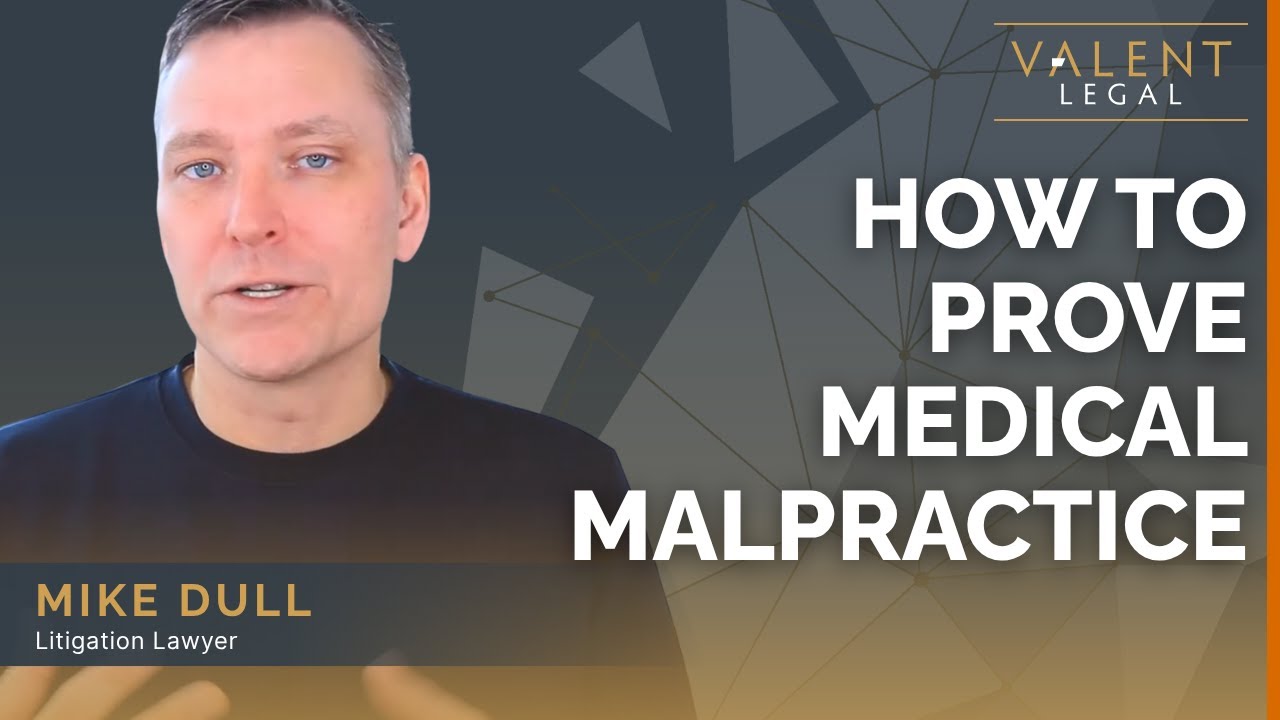
Legal Options for Victims of Sexual Abuse in Nova Scotia

Survivors of sexual abuse often feel uncertain, isolated, or unsure where to turn after their experiences. A common misconception is that pursuing criminal charges is the only way to hold an abuser accountable. In Nova Scotia, survivors have a range of legal options, including civil claims and possible class actions. Each path serves a different purpose, allowing survivors to choose the approach that best meets their needs and priorities. 

Valent Legal is here to help you understand your legal options and choose what path is right for you. Contact us today for a free consultation.

KEY TAKEAWAYS


  • Survivors of sexual abuse in Nova Scotia have various legal options beyond criminal charges, including civil lawsuits and class actions, each serving different purposes to seek justice and accountability.

  • Nova Scotia allows survivors to file civil claims for sexual abuse at any time, even if the abuse occurred many years ago, providing opportunities for justice even after long delays.

  • While criminal charges focus on punishment and public safety, civil claims offer survivors more control, the potential for financial compensation, and a way to hold institutions accountable for their failures. Survivors can pursue both routes independently.

Criminal Charges

Criminal charges are one possible legal response to sexual abuse in Nova Scotia. This option focuses on holding the accused accountable through the criminal justice system.

A criminal case usually begins with a report to the police. Police investigate the allegations and collect evidence. If they believe there is enough evidence, they submit the case to Crown counsel. The Crown then decides whether to pursue charges and proceed with the case in court. The prosecutor, not the survivor, controls the case.

The goal of a criminal case is to protect the public and punish criminal behavior. The court may impose jail time or other penalties if it finds the accused guilty. However, this is only one legal avenue. Many survivors seek other forms of accountability, such as a sexual abuse lawsuit, especially when abuse occurred years ago, or Crown counsel decides not to lay criminal charges.

Civil Lawsuits

In a sexual abuse case, a civil lawsuit is a legal claim brought by the survivor against an abuser or a responsible organization. In Nova Scotia, this option operates separately from the criminal justice system.

Unlike a criminal case, the survivor brings a civil lawsuit. The purpose of a sexual abuse victim lawsuit is to recognize harm and provide compensation for the lasting impact of abuse. Recoverable damages include pain and suffering, loss of income and earning potential, therapy costs, and other related losses. Civil cases can also expose patterns of institutional misconduct and failures.

A civil lawsuit offers survivors greater control and autonomy. Many survivors choose this path when the Crown does not lay charges, when the abuse occurred years ago, or when they want to pursue a different form of accountability.

Class Action Lawsuits

A class action lawsuit allows a group of survivors to bring a single legal claim together. In Nova Scotia, this option is often used when sexual abuse occurred in the same setting or under the authority of the same organization. 

These types of cases typically involve schools, religious organizations, workplaces, youth programs, foster care systems, and residential facilities. Survivors may come forward years later, often discovering that others experienced similar harm. A class action brings those voices together into a single legal case.

The purpose of a class action is collective accountability. It allows survivors to challenge institutional failures and demand recognition of widespread harm. This approach can lead to financial compensation and meaningful reforms that protect others from future abuse. 

Class actions can also reduce the pressure on individual survivors. Shared legal resources and a unified process can make this option feel more accessible. 

What Is the Statute of Limitations for Filing a Civil Claim for Sexual Abuse?

In Nova Scotia, there is no statute of limitations for filing a civil claim over sexual abuse or sexual assault. Survivors can bring a civil lawsuit at any time, even if the abuse occurred decades ago.

Most provinces have removed statutes of limitations for civil claims related to sexual abuse. These changes reflect an understanding that many survivors need time to understand what happened, feel safe coming forward, or connect their abuse to lasting harm. 

Is It Possible To Pursue Civil Action Without Criminal Charges?

Yes. A survivor can pursue civil action regardless of whether criminal charges are laid.

In Nova Scotia, civil and criminal cases operate separately. The Crown controls criminal cases, which require a higher burden of proof. Civil cases are brought by the survivor and rely on a balance of probabilities, meaning survivors must show that it is more likely than not that the abuse occurred. 

Valid claims that may not meet the criminal standard may still qualify for civil accountability. Survivors of sexual abuse often choose civil action because it offers greater control and a means of accountability outside of the criminal justice system.

What Are the Advantages and Disadvantages of Pursuing Criminal Charges Versus a Civil Claim?

Survivors of sexual abuse in Nova Scotia can pursue accountability through criminal charges or civil claims, but each path works differently and carries its own benefits and limitations. The table below highlights key differences to help survivors understand their options.


Criminal Charges

Civil Claims

Control

Criminal cases are controlled by the Crown.

Civil claims are initiated by the survivor.

Purpose

Criminal charges focus on punishment and public safety.

Civil claims seek accountability and compensation for the harm caused.

Emotional Demands

Criminal cases can feel impersonal and offer limited flexibility.

Civil cases offer greater control but may still require survivors to revisit difficult experiences. 

Burden of Proof

Criminal cases require proof beyond a reasonable doubt. 

Civil claims use a lower standard—whether the abuse is more likely than not to have occurred.


Criminal charges may be the right choice for survivors who want the justice system to formally recognize wrongdoing and prioritize public safety. This path may offer a sense of accountability through punishment, particularly when survivors wish to involve law enforcement.

A civil claim may be a better option for survivors seeking greater control over the case, financial compensation, or accountability from an institution that failed to protect them. Many survivors pursue a sexual abuse victim lawsuit to have their long-term harm formally recognised.

Some survivors pursue both options, while others choose only one. There is no required order, and there is no expectation to take every available path. The right choice depends on personal goals, safety concerns, and what feels most empowering.

Evidence Needed To Support Criminal Charges or a Civil Claim

Many survivors worry they do not have enough evidence before speaking with a lawyer or police. This fear is common and understandable, especially when abuse occurred years ago. Survivors do not need to have the evidence organized or the allegations proven before asking questions or seeking help.

Survivor testimony plays a key role in both types of cases. Courts also look at patterns of conduct and other surrounding circumstances. Messages, emails, photos, records and documents, and witness statements can all help provide context.

Evidence does not need to be complete at the first conversation. In many cases, relevant information surfaces during an investigation or legal process. Survivors need not build their cases alone. If you are considering next steps, a confidential conversation with a lawyer can help you understand your options and decide what feels right for you.

How Long Does a Criminal Investigation or Civil Claim Typically Take?

The length of a criminal investigation or civil claim for sexual abuse in Nova Scotia can vary greatly. There is no standard timeline, and cases may take months or years depending on factors such as complexity, court schedules, witness cooperation, and the amount of evidence.

Criminal proceedings are mostly outside the survivor’s control, which can make the process feel unpredictable. Civil claims, including sexual abuse victim lawsuits, offer survivors more influence. With a lawyer’s guidance, survivors can participate in strategic decisions, set realistic goals, and control the pace whenever possible.

What Happens if the Sexual Abuser Is Deceased or Cannot Be Found?

A deceased or unlocatable abuser does not necessarily prevent survivors from seeking justice. While a civil lawsuit cannot usually proceed against someone who has passed away, survivors may still have legal recourse through institutional or third-party liability. Schools, workplaces, religious organizations, or care facilities may be held accountable for failing to protect or supervise. 

When the abuser cannot be located, a civil claim may still be possible depending on the circumstances. Each case is fact-specific and requires legal evaluation to determine what avenues are available. 

Survivors should not automatically rule out legal action. An experienced sexual abuse lawyer can assess your case, explain potential avenues, and help you decide the best next steps.

Are There Any Costs Associated With Filing Sexual Abuse Criminal Charges?

Survivors do not bear the cost of filing criminal charges. In Nova Scotia, the government funds police investigations and prosecutions. The Crown prosecutes cases on behalf of the public, so survivors do not pay legal or court fees for criminal proceedings.

Civil claims differ because they involve filing a lawsuit, which may entail legal fees. Valent Legal works on a contingency fee basis, meaning survivors do not pay anything, including the initial filing fees, unless a settlement or award is secured. If we don’t win your case, you don’t owe us anything.

Talk to a Sexual Abuse Lawyer in Nova Scotia

Speaking with a sexual abuse lawyer is confidential and obligation-free. In Nova Scotia, survivors can ask questions, review options, and discuss potential next steps without committing to pursuing a case.

Every journey to justice starts with a single step. Contact Valent Legal online or call (902) 443-4488  today for a free and confidential consultation.

The post Legal Options for Victims of Sexual Abuse in Nova Scotia appeared first on Valent Legal.

from Valent Legal https://valentlegal.ca/blog/legal-options-for-sexual-abuse-victims/
via https://valentlegal.ca/

Who Can Be Held Responsible After a Slip and Fall in Nova Scotia?

After a slip and fall, accident victims are often left wondering whether what happened was just bad luck or something that should have been prevented. When you’re dealing with pain, time off work, or uncertainty about your recovery, it’s natural to want clear answers about who may be responsible and what options are available to you.

In Nova Scotia, property owners and occupiers must ensure their property is reasonably safe for visitors. Thus, property owners, businesses, landlords, or municipalities may be responsible if they failed to act reasonably to address a hazard. Responsibility for a slip and fall depends on where the incident occurred and who was responsible for maintaining the property at the time. Valent Legal’s slip and fall lawyers are here to help you understand how those obligations apply to your situation and to guide you forward with care and clarity.

KEY TAKEAWAYS


  • Slip and fall liability in Nova Scotia depends on where the incident occurred, who controlled the property, and whether that party took reasonable steps to keep the area safe.
  • Property owners, businesses, landlords, tenants, and municipalities may all be responsible in different situations under the Occupiers’ Liability Act.
  • Nova Scotia law sets a general two-year time limit for personal injury claims, which makes it important not to wait too long to explore your legal rights.

Parties Who May Be Held Responsible

Slip and fall injuries occur in various settings, from private homes to commercial spaces and public areas. Premises liability in Nova Scotia varies depending on the situation. The Occupiers’ Liability Act in Nova Scotia governs who may be held responsible for a slip and fall. Liability depends on where the fall occurred, who controlled the space, what steps were taken to prevent hazards, and whether the party controlling the premises acted reasonably to keep visitors safe. 

The following are some parties who may be legally responsible for a slip and fall accident.

Property Owners

Property owners, including homeowners and commercial property owners, may be held responsible if they fail to maintain their property in a reasonably safe condition. Examples of failures to meet this duty include neglecting repairs, failing to clear ice or snow, or ignoring known fall hazards. When owners allow unsafe conditions to persist, they may be found liable under the law.

Business Owners and Operators

Business owners and operators owe a heightened duty of care to customers and visitors. This obligation means regularly inspecting their premises, promptly addressing hazards, and warning people of dangers such as wet floors or uneven surfaces. When businesses fail to take these reasonable steps, they may be responsible for injuries caused by a slip and fall.

Landlords and Tenants

For rental properties, landlords and tenants may share responsibility. Liability often depends on the lease terms and on who had control over the area where the fall occurred, such as a common hallway, a parking lot, or a private unit. Determining responsibility in these situations requires careful review of both the physical space and the relevant legal agreements.

Municipalities

Municipalities may be held responsible for slip and fall injuries on certain public property, such as parks or public buildings. Claims involving municipal responsibility can be complex and often involve additional legal considerations. However, it’s important to note that Nova Scotia’s Occupiers’ Liability Act does not apply to highways, public walkways, or sidewalks. In those cases, the Municipal Government Act applies, requiring you to prove the municipality was grossly negligent. 

Proving Responsibility in a Slip and Fall Claim

If you have been hurt in a slip and fall, someone else might be responsible. In Nova Scotia, a successful claim usually depends on showing that the person or organization in control of the property failed to take reasonable steps to keep the area safe, and that this failure contributed to your injury.

Things like photos of the hazard, witness accounts, maintenance records, and medical reports can all help tell that story. It’s also important to know that Nova Scotia’s Limitation of Actions Act generally gives you two years to start a personal injury claim, so acting promptly can help protect your rights and reduce stress. Speak with a Nova Scotia slip and fall lawyer as soon as possible. They will investigate, gather evidence, determine who is liable, and pursue the justice you deserve, allowing you to focus on your recovery. 

Get the Help You Deserve After a Slip and Fall

A sudden fall can leave you managing pain, stress, and unanswered questions about what comes next. Valent Legal helps injured people across Atlantic Canada understand who may be responsible and what steps they can take to move their case forward. We take the time to listen, explain the process, and support you at every stage.

If you have been injured in a slip and fall accident in Nova Scotia, we can help. Call (902) 443-4488 or visit our contact us online for a free, no-risk case assessment.

The post Who Can Be Held Responsible After a Slip and Fall in Nova Scotia? appeared first on Valent Legal.

from Valent Legal https://valentlegal.ca/blog/who-responsible-slip-fall-nova-scotia/
via https://valentlegal.ca/
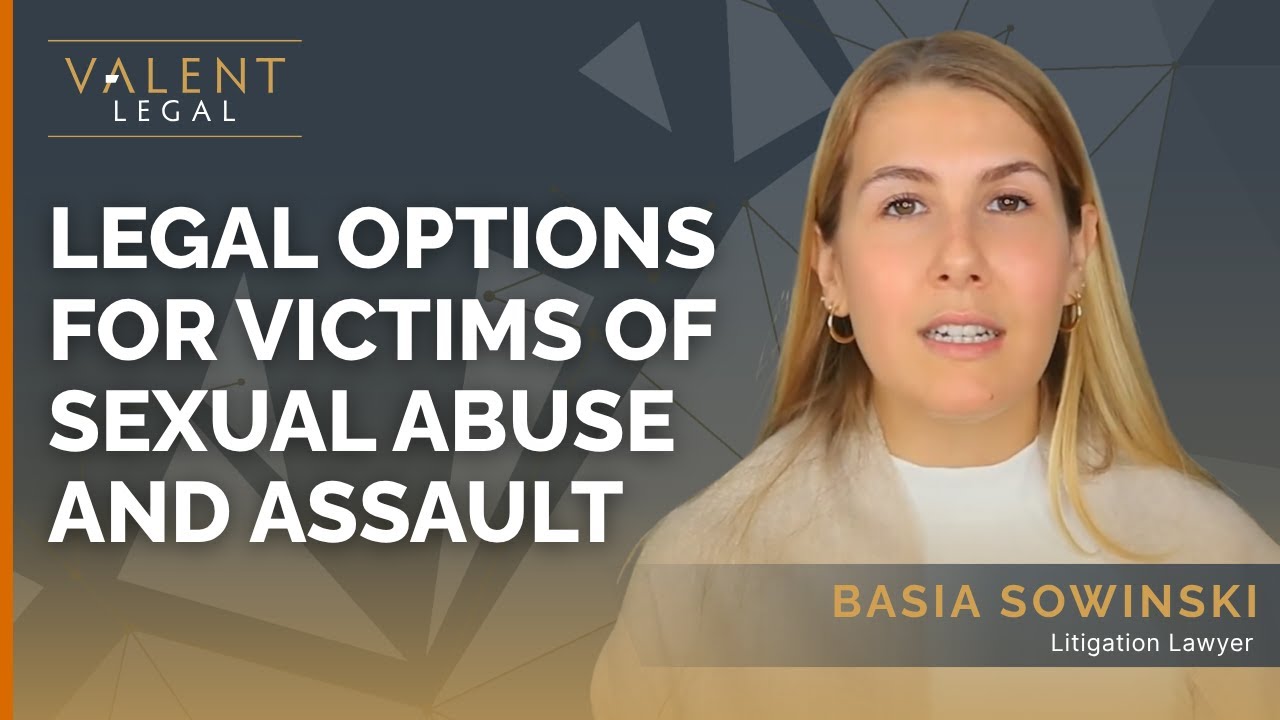
How Much Is My Car Accident in Nova Scotia Worth?

In Nova Scotia, car accident settlements can range from a few thousand dollars to six figures or more, depending on the injuries involved, recovery time, and long-term impact on your life. There is no fixed payout under Nova Scotia law, because every claim is assessed based on its specific facts. Valent Legal helps injured people across Halifax and Atlantic Canada understand what their cases are worth and avoid settling for less than they deserve.

If you’ve been injured in a crash, it’s normal to feel overwhelmed and unsure about what comes next. You are probably dealing with painful recoveries and time away from work while facing pressure from an insurance company to make quick decisions. As clients have shared with our team, understanding the true value of a claim often brings peace of mind during an otherwise stressful time.

KEY TAKEAWAYS


  • A Nova Scotia car accident settlement can range from a few thousand dollars to six figures or more, depending on the severity of the injuries, the extent of the financial losses, and long-term impacts.
  • The Minor Injury Cap limits pain and suffering damages in certain cases, but it does not restrict compensation for income loss, medical treatment, future care, or Section B benefits in Nova Scotia.
  • Fault, evidence strength, and contributory negligence in car accidents can significantly affect how much compensation you ultimately receive.
  • Insurance adjusters focus on reducing payouts and managing risk, which is why early settlement offers are often lower than a claim’s true value.
  • A review with Valent Legal helps ensure every part of your claim is fully considered, including the long-term effects of your injuries.

What Factors Affect the Value of Your Car Accident Claim

A combination of medical, financial, and practical considerations shapes the value of a car accident claim in Nova Scotia. The nature and severity of your injuries are key factors, especially if recovery is lengthy or results in lasting limitations. Time away from work, reduced earning ability, and the need for ongoing care can all increase the overall value of a claim.

Responsibility for the crash and the strength of the evidence also play a key role. Medical records, collision reports, and witness statements help establish fault and document losses. Beyond financial impacts, pain and suffering damages in Nova Scotia reflect how injuries affect your daily routine, independence, and quality of life. While these factors shape a claim’s legal value, insurance companies often assess risk and cost exposure rather than what feels fair, which can lead to lower initial evaluations.

How the Nova Scotia Minor Injury Cap Can Limit Compensation

In Nova Scotia, the Minor Injury Cap limits the amount of compensation available for pain and suffering in certain car accident cases. The cap applies only when injuries are legally classified as minor, defined as so-called “soft-tissue injuries” that do not result in serious impairment, such as sprains, strains, or whiplash-type injuries. Serious impairment means the injury results in the substantial inability to perform the essential duties of your job, education, or job training, or your normal activities of daily living. If the cap applies, compensation for pain and suffering in Nova Scotia is restricted, even if the accident was not your fault.

It’s important to understand that the Minor Injury Cap does not limit all compensation—it only applies to non-pecuniary losses. Medical expenses, income loss, Section B benefits, and other financial losses may still be recoverable. Whether an injury truly qualifies as minor is often disputed, and insurers frequently try to apply the cap even when symptoms persist or interfere with daily life. Determining whether the cap applies requires a careful review of medical evidence and how the injury has affected your ability to work, function, and recover.

How Contributory Negligence Can Reduce Your Settlement

Contributory negligence in car accidents refers to situations where more than one party shares responsibility for a crash. In Nova Scotia, if you are found partially at fault for an accident, your compensation will be reduced by your share of the fault. Thus, even a strong claim can be worth less if insurers argue that your actions contributed to what happened.

For example, an insurance company may claim you were speeding, distracted, or failed to react in time, even if the other driver caused the collision. Insurers often push shared-fault arguments to limit what they have to pay, which is why fault assessments are so important. Understanding how contributory negligence is applied can help protect the full value of your claim and prevent unfair reductions.

Why Early Insurance Offers Are Often Lower Than Your Claim’s True Value

After a car accident, it’s common to hear quickly from a car accident insurance adjuster with a settlement offer. While this may seem helpful, early offers often aim to limit the insurer’s financial exposure rather than reflect the full value of your claim. At this stage, insurers may not account for ongoing treatment, future income loss, or how the injury will affect your daily life long-term.

Adjusters also rely on standardized formulas and assumptions that rarely capture the personal impact of an injury. Pain and suffering, loss of independence, and future care needs are often undervalued or overlooked entirely. Valent Legal approaches settlement negotiations differently, focusing on the complete picture of your losses under Nova Scotia law, not just what an insurer wants to resolve quickly.

How Valent Legal Helps Determine the True Value of Your Case

Valent Legal takes a careful, thorough approach to assessing the value of a car accident claim, ensuring your claim reflects the full impact of your injuries and losses. That means considering medical treatment, recovery outlook, income loss, future care needs, and how injuries affect your independence and everyday life. The firm also reviews insurance coverage, potential fault disputes, and how Nova Scotia law applies to your specific circumstances.

As car accident lawyers in Halifax, Valent Legal understands the local insurance landscape, court processes, and compensation frameworks that shape these claims. The focus is always on helping clients reach a comprehensive resolution that reflects the true impact of the accident, not just a quick payout.

To learn what your Nova Scotia car accident settlement may be worth, call (902) 443-4488 or complete the online contact form to request a no-risk case assessment and get clear guidance on your options.

The post How Much Is My Car Accident in Nova Scotia Worth? appeared first on Valent Legal.

from Valent Legal https://valentlegal.ca/blog/how-much-is-my-car-accident-in-nova-scotia-worth/
via https://valentlegal.ca/

What Makes Valent Legal Different From Other Nova Scotia Law Firms?

When you’re dealing with a personal injury, choosing the right lawyer can make all the difference. Larger law firms may have extensive resources, but they often handle many clients at once, which can mean less personal attention for you. In contrast, Valent Legal focuses on quality over quantity, ensuring each client receives the dedicated care and attention they deserve.

Valent Legal is a smaller, client-focused law firm with years of experience in personal injury law. We pride ourselves on offering personalized legal services tailored to the needs of each client, ensuring that every case gets the attention and expertise it deserves.

Personalized Attention and Client-Centered Service

At Valent Legal, we prioritize building strong, lasting relationships with each of our clients. As a boutique law firm, we are intentional with the number of cases we take on so that we can devote more time and resources to each one. You won’t be passed around to different lawyers or staff members—you’ll work directly with the same legal team throughout your case, ensuring a consistent and personalized experience.

We understand that personal injury cases are more than just legal matters; they impact your life. That’s why we take the time to listen to your story, understand your needs, and craft a legal strategy that’s tailored to you. Our approach is centered around your well-being and achieving the best possible outcome for your unique situation.

“Thank you to Phil Moreira for providing me with superior legal guidance and representation over the past four years.  Today, the final paperwork was signed and a check was presented to me almost four years after a sustained injury.  Phil was able to negotiate a settlement larger than I initially expected from the insurance company and bring a difficult time in my life to a conclusion.  I now have the financial ability to take care of my life and health going forward.Phil not only has a brilliant legal mind, but he has demonstrated tremendous compassion, attention to detail, a great sense of humour (which I desperately needed many days) and a passion for putting me first.  I always had control over the decision making while he provided the best legal advice possible.  He consistently led me in the right direction and I am overwhelmingly happy with my settlement.I highly recommend all clients who find themselves in a similar situation to contact Phil immediately.  The results of my settlement were fantastic and it couldn’t have happened without Phil Moreira.”

Expertise in Complex Personal Injury Cases

Valent Legal specializes in personal injury law, with a particular focus on complex and high-stakes cases. Whether it’s a brain injury, wrongful death, or medical malpractice case, we have the experience and knowledge to navigate the challenges that often arise in these types of claims.

As a smaller firm, we take the time to thoroughly understand the details of each case. Our approach is hands-on, ensuring that we leave no stone unturned when building a strong case for our clients. We also work closely with expert witnesses, such as medical professionals and accident reconstructionists, to support our clients’ claims and provide the evidence necessary for success.

Valent Legal’s ability to focus on complex cases allows us to provide a level of expertise and dedication that sets us apart from many larger firms that handle a high volume of cases.

“Mike successfully won a landmark human rights complaint on behalf of my daughter against the Government of PEI.  The case which went on for 5 years involved a violation of my daughter’s human rights & a breach of the Charter of Rights & Freedoms.  Initially, I was fighting the issue alone; then I came across Valent Legal & Mike Dull who swept in & provided the legal expertise that I needed.  I honestly believe that we would not have been successful without him.  Mike is an exceptionally skilled, hard-working & compassionate lawyer that I would highly recommend to anyone”

Deep Community Ties and Commitment to Local Causes

One of the key advantages of choosing a boutique law firm like Valent Legal is our strong connection to the community. We are deeply embedded in Atlantic Canada, and our team is passionate about giving back to the local causes that matter most. Through partnerships with nonprofit organizations and community initiatives, Valent Legal is dedicated to making a positive impact outside of the courtroom.

Our community involvement allows us to better understand the unique needs of Nova Scotians. We know the local legal landscape inside and out, which enables us to provide more relevant, personalized legal services to our clients. Whether it’s supporting initiatives like Lids4Kids or helping survivors of sexual assault by partnering with the Avalon Center, we believe in being part of the community we serve.

By choosing Valent Legal, you’re not only getting a skilled and dedicated legal team but also a firm that cares about the local causes and people it serves.

“I would like to say thank you to Mike Dull and his legal team for their kindness with the community. In Valent Legal  they really care about the social interest of the community”

Flexibility and Accessibility You Won’t Find in Larger Firms

One of the biggest advantages of working with a smaller firm like Valent Legal is our flexibility. We are able to adapt quickly to changes in your case and remain responsive to your needs, whether it’s adjusting strategies, offering quick consultations, or adapting timelines as necessary.

Unlike larger firms where clients may feel like just another number, Valent Legal offers easy access to your legal team. Our clients have the ability to reach out directly to their lawyers, ask questions, and discuss concerns without waiting days for a response. Our goal is to make the legal process as stress-free as possible, with open lines of communication every step of the way.

“Excellent experience dealing with Mike Dull at Valent Legal. Mike is generous with his time and expertise while being refreshingly approachable. From the beginning Mike has been accessible to answer questions, and does so in a timely manner.I wouldn’t hesitate to recommend Mike’s services.Thanks Mike!”

A Proven Track Record in Securing Results

Valent Legal’s reputation speaks for itself. We’ve successfully handled a wide range of personal injury cases, from straightforward accidents to complex medical malpractice and wrongful death claims. Our track record of achieving positive outcomes for our clients demonstrates our ability to get results, even in challenging cases.

We are also proud of the recognition we’ve received from the legal community:

  • Best Lawyers (2025 & 2026): Recognized for outstanding work in personal injury law.
  • Best Law Firms in Canada (2026): Named one of Canada’s top law firms.
  • Canadian Lawyer (2025): Recognized as the Top Personal Injury Boutique Firm.
  • Consumer Choice Award (7 years in a row): Voted Best Personal Injury Law Firm.

Our team’s dedication to getting the best possible results for clients has earned us the trust of the community and a reputation for excellence.

When you choose Valent Legal, you’re choosing a law firm that cares about you and your case. We provide the personalized service, expert legal knowledge, and community connection that you won’t find at larger firms. Our hands-on approach ensures that your case gets the attention it deserves, and we work tirelessly to secure the best outcome for you.

If you’re looking for a law firm that offers the personal touch of a boutique firm with the expertise of a larger firm, Valent Legal is the right choice for your personal injury case.

Contact us today for a free consultation and let us help you take the first step toward justice and peace of mind.

The post What Makes Valent Legal Different From Other Nova Scotia Law Firms? appeared first on Valent Legal.

from Valent Legal https://valentlegal.ca/blog/what-makes-valent-legal-different/
via https://valentlegal.ca/

Design a site like this with WordPress.com
Get started